
No matching pages. Try "pallet", "mezzanine" or "cantilever".
No matching pages. Try "pallet", "mezzanine" or "cantilever".
Custom engineered from certified cold-rolled high-tensile steel, verified by structural finite element analysis (FEA), and fully compliant with EN 15512, EN 15620, and RMI standards.
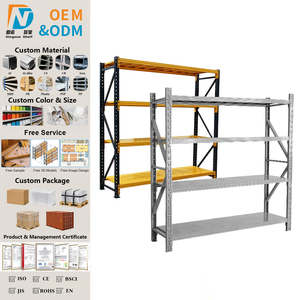
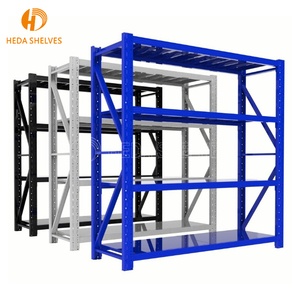
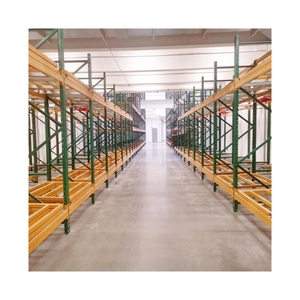
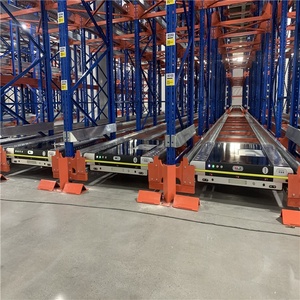
Operating as a dedicated original equipment and design manufacturer, we eliminate intermediary surcharges while maintaining exhaustive structural control under European and American racking codes.
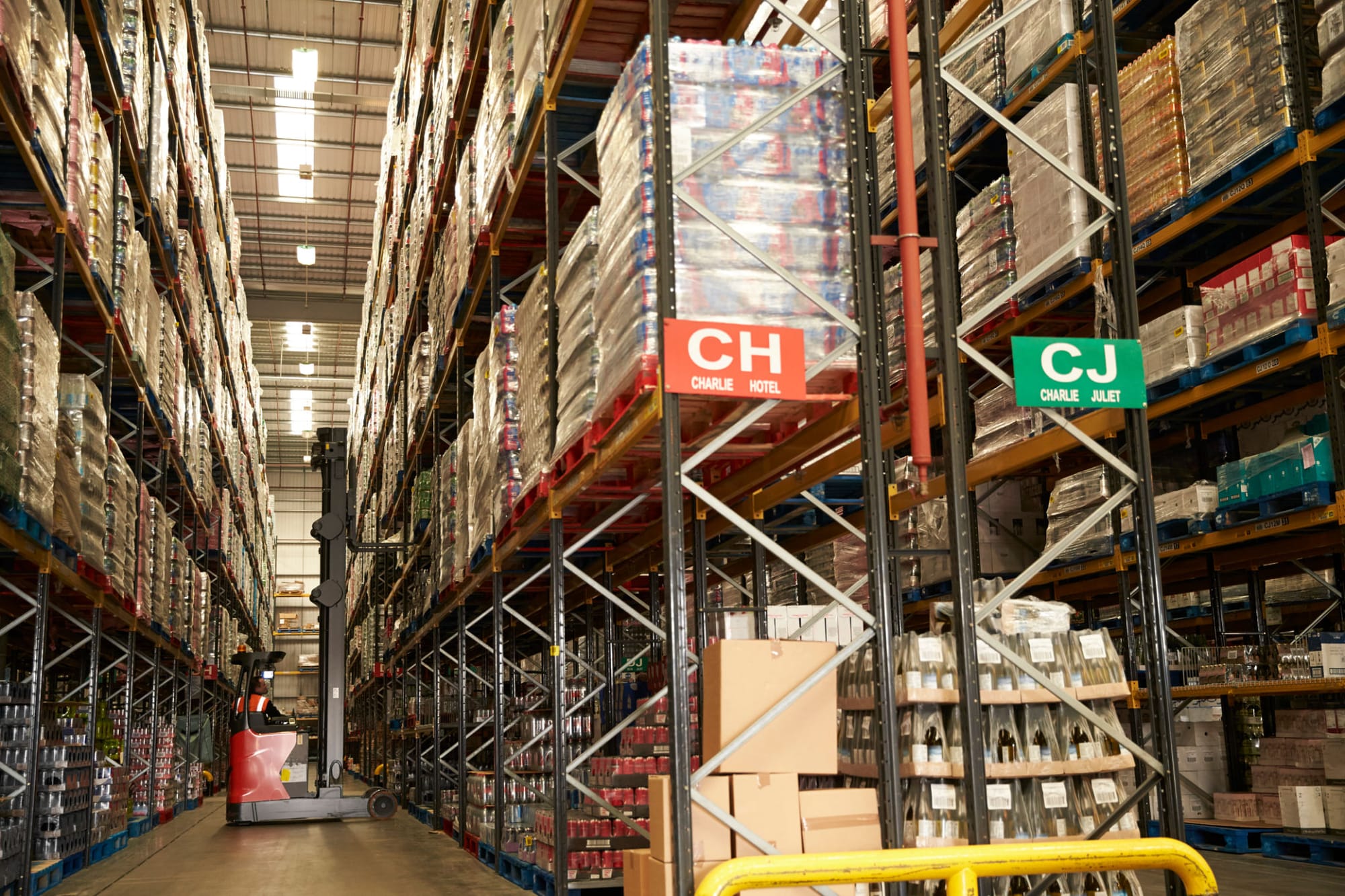
Unlike standard static racking brokers, an authentic dynamic storage racks manufacturer must account for kinetic force dissipation, rolling friction coefficients, and cyclical dynamic impact loads. Our engineering facilities deploy state-of-the-art cold roll-forming machines with variable tooling dies that yield stiff, torsion-resistant omega profiles without micro-fracturing the structural steel grain.
Every dynamic flow rack lane and radio shuttle guide track is fabricated from premium Baosteel or Shougang cold-rolled steel coils. Our automated production line utilizes online punching to ensure pitch precision within ±0.2mm across an entire 12-meter upright column. This exceptional metallurgical accuracy prevents roller bed twisting, uneven gravitational flow trajectories, or pallet car derailments in semi-automated and autonomous storage environments.
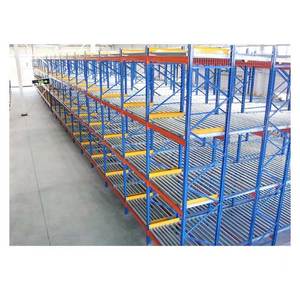
Dynamic storage systems convert static aisle space into live, high-density storage cubage. Selecting between Gravity Flow, Push-Back, and Radio Shuttle topologies depends directly on velocity, SKU breadth, and turnover sequencing.
| Racking Topology | Kinematic Mechanism | Inventory Logic | Storage Density | Operating Depth | Material Handling Interface |
|---|---|---|---|---|---|
| Gravity Pallet Flow | Centrifugal Brake Rollers & Gravity Bed | FIFO Strict First-In First-Out | Ultra-High (85% Cubage) | Up to 25 Pallets Deep | Standard Counterbalance / Reach Trucks |
| Push-Back Racking | Telescoping Nested Rolling Carts | LIFO Last-In First-Out | High (75% Cubage) | 2 to 6 Pallets Deep | Direct Front-Face Loading Forklifts |
| Radio Shuttle System | Autonomous 4-Wheel Electric Car Runner | Flexible FIFO or LIFO | Maximum (90%+ Cubage) | Up to 40+ Pallets Deep | Semi-Automated Runner + Fleet AGV/Truck |
| Carton Flow (Dynamic Order Pick) | Polypropylene Roller Tracks & Dividers | FIFO Piece / Case Pick | High Split-Case Density | Lane Depth 1.5m to 4.5m | Pick-to-Light, Conveyors & Manual Pickers |
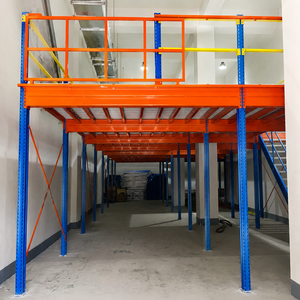
| Rack-Supported Mezzanine | Integrated Post & Structural Joist Levels | Multi-Level Full Selectivity | 200% - 300% Footprint Gain | Multi-Tier (2-4 Stories) | Vertical Reciprocating Lifts, Chutes & Staff |
Procurement directors and supply chain engineers are navigating shifting commercial dynamics. Beyond raw tonnage prices, capital allocation is governed by systemic integration, automation compatibility, and carbon-neutral facility mandates.
Dynamic storage procurement is no longer isolated from robotic warehouse systems. Tier-1 buyers increasingly mandate radio shuttle channels and carton flow pick faces configured with millimetric guidance registers and optical targets engineered specifically for autonomous mobile robots (AMRs) and automated guided forklifts (AGVs), minimizing costly retrofit cycles.
Global logistics enterprises are abandoning low-bid structural procurement in favor of life-cycle durability metrics. Cheap kinetic gravity rollers with low-grade internal bearings lead to catastrophic lane stalls and uneven pallet skewing. Factory-direct procurement of case-hardened steel rollers with precision maintenance-free bearings delivers a measurable 40% reduction in ten-year facility upkeep.
Refrigerated and blast-freeze facility real estate costs up to five times more per cubic meter than ambient facilities. Modern procurement focuses intensely on dynamic gravity flow and radio shuttle arrays operating flawlessly down to -30°C. Critical requirements include low-temperature specialty bearing grease, condensation-resistant galvanization, and thermal-break footings.
Dynamic market disruptions demand dynamic physical layouts. Industrial clients are pivoting away from permanent welded configurations toward bolted modular sub-assemblies. Boltless beam connectors, adjustable incline brackets, and drop-in roller beds allow facility engineers to convert push-back lanes into pallet flow channels as SKU profiles change over 36-month business horizons.
Multinational EPC contractors and global corporations are embedding Scope 3 emission targets into vendor scorecards. Procurement standards now require Environmental Product Declarations (EPDs), scrap-recycled content verification, and VOC-free powder application technologies, establishing sustainability as a foundational procurement pillar alongside structural yield ratings.
The transition from passive steel structures to active dynamic storage systems relies on micro-mechanical engineering. In high-density gravity flow racks, uncontrolled pallet acceleration presents severe product damage and worker safety risks. Modern OEM designs integrate centrifugal magnetic speed controllers that dynamically regulate terminal velocities between 0.1 m/s and 0.3 m/s without mechanical friction wear.
Additionally, advanced pallet separator mechanisms installed at the discharge picking face mechanically decouple the lead pallet from upstream hydraulic pressure. This eliminates "line pressure," allowing forklift operators to extract the lead pallet smoothly without binding or dragging subsequent pallets forward prematurely.
Essential technical answers addressing slab capacity, pallet compatibility, kinetic deceleration, and international certification standards for warehouse project directors.
Dynamic racking systems generate concentrated point loads at upright baseplates along with dynamic braking vibrations. Slabs typically require a minimum compressive strength of 25 to 30 MPa (C20/25 or C25/30 per EN 206-1), a thickness of at least 150mm to 200mm, and steel rebar reinforcement. Slab flatness must comply with DIN 18202 or EN 15620 Table 4 (typically Superflat or DM2 tolerances) to prevent tilt and pallet drift inside long lanes.
Gravity flow beds operate on a standard 3% to 4% gradient (approximately 35-45mm per meter). The roller pitch is calculated such that a minimum of three rollers remain in continuous contact with the pallet bottom runner board at all times to prevent sag and stalling. For example, a 1200mm deep pallet requires an 80mm to 100mm roller center distance, depending on overall bottom runner rigidity and deflection characteristics.
Euro pallets (800x1200mm) with continuous chamfered bottom skids run reliably on dual or triple roller tracks. GMA pallets (48x40 inch) require full-width roller tracks or nested cart push-back configurations to bridge structural gaps if bottom runners are broken or missing. In flow lanes, broken deck boards or protruding nails can jam dynamic beds; therefore, pallet quality grading (Class A or new wood) is specified during engineering design.
We model custom racking geometries under spectral acceleration parameters per IBC (International Building Code) and Eurocode 8. Because pallets in dynamic systems can shift along guide rails during a seismic event, dynamic mass factors are calculated. Heavy baseplates, double anchor studs per column, full-depth horizontal spine bracing, and heavy-duty portal ties stabilize the structure against resonance and joint shear failure.
Push-back racking typically caps at 5 to 6 pallets deep due to the physical force required by the forklift to push nested carts uphill against gravity. In contrast, Radio Shuttle systems operate independently of forklift push force; shuttle channels can extend up to 40 to 50 pallets deep across building bays, limited only by fire-suppression access and SKU rotation speed.
Direct factory supply includes comprehensive metallurgical mill certs (chemical composition & tensile yield), 3.1 EN 10204 inspection documents, powder coating thickness and adhesion cross-hatch reports, structural calculation dossiers signed by licensed civil/structural engineers, and assembly installation CAD plans with certified safe working load (SWL) placards.
From initial warehouse 3D scanning and pallet dimension validation to robotic manufacturing, container packing, and certified on-site installation oversight.
Our engineers review floor plan CAD files, ceiling beam drops, lighting/sprinkler heights, forklift turning radii, and daily SKU velocity to design an optimized density layout.
Custom pallet profiles undergo kinetic ramp testing in our test tower to confirm brake roller intervals, separator latch responsiveness, and pallet descent velocities.
Continuous roll-forming lines stamp, shape, and cut structural steel members before automatic cleaning, phosphating, and powder electrostatic baking.
All upright frames, beams, and dynamic components are packed on custom steel transport skids with protective corner wrap, preventing ocean freight damage.
Submit your building CAD drawings, pallet dimensions, and target throughput velocity. Our factory application engineering team will provide a comprehensive 3D layout proposal, structural calculation summary, and direct manufacturer pricing within 24 hours.