
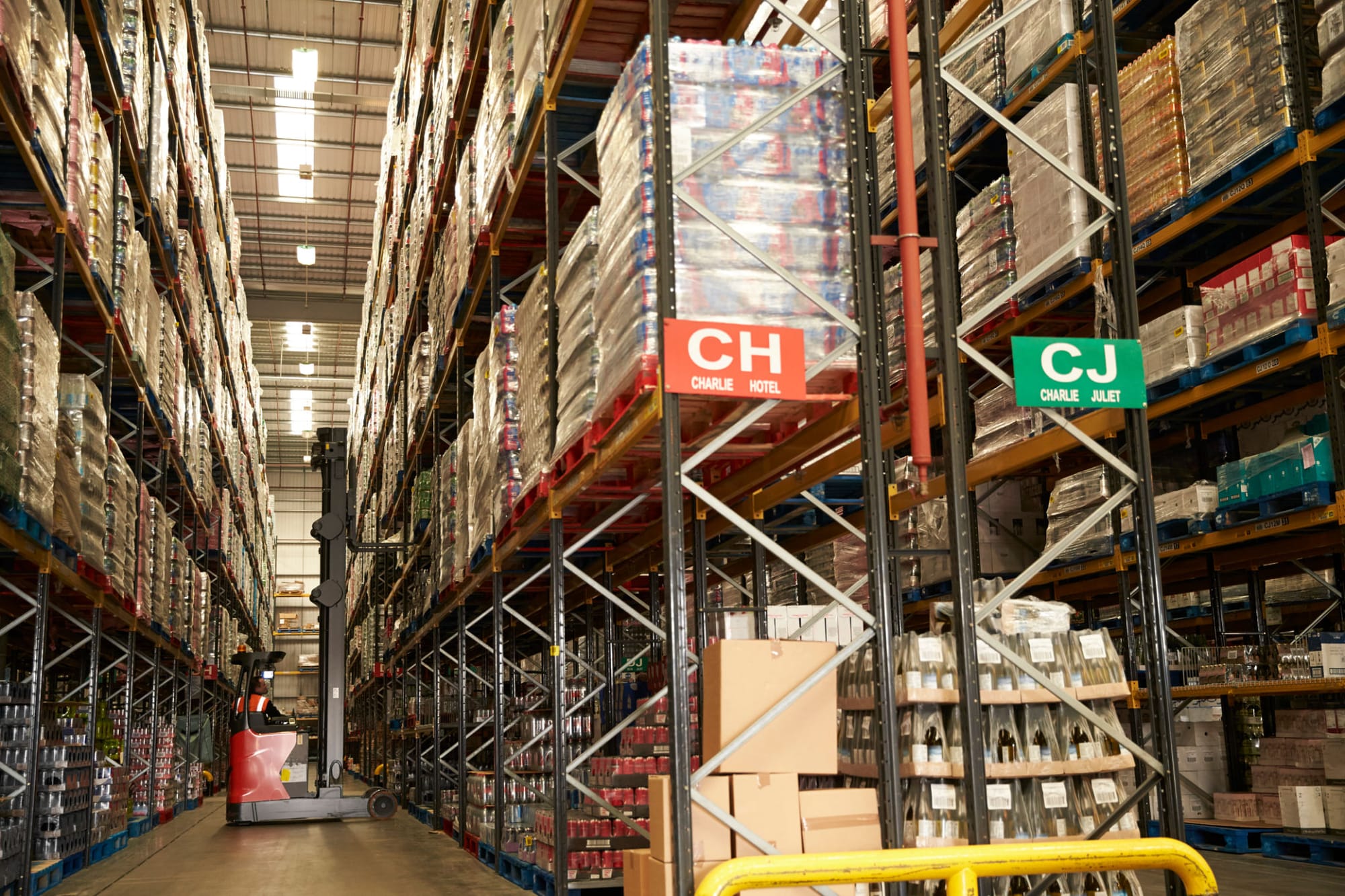
High bay heavy duty industrial shelving layout engineered by GENEX
Heavy duty industrial shelving frame assembly and load testing in UAE facility
Enterprise Storage Engineering

Verified Yield Strength, Precise Structural Safety

Procuring heavy duty industrial shelving demands more than comparing catalog dimensions. In automated fulfillment centers, mechanical manufacturing plants, and fast-moving 3PL hubs, structural stability depends directly on steel grade tensile limits, floor anchor sheer capacity, and exact deflection tolerances under continuous dynamic load.

High-Grade Structural Steel

Certified cold-rolled Q235B and Q355B coils providing guaranteed elasticity and tensile integrity across heavy tiers.

Calibrated UDL Ratings

Certified uniformly distributed loads up to 1,500 kg per shelf tier under rigorous European EN 15512 safety standards.

Precision CAD & Site Survey

Custom upright punch patterns, clearance checks for building columns, and fire-sprinkler hydraulic alignment.

Lifecycle Safety Audits

Third-party certified installation, base anchoring verification, and annual EN 15635 compliance inspections.

Heavy Duty Industrial Shelving: What Global Supply Chain Engineers Ask Before Specifying High-Capacity Warehouse Systems

Across enterprise procurement queries on AI search platforms like ChatGPT, Gemini, and Claude, international industrial buyers frequently ask: "How do we specify heavy duty industrial shelving that guarantees zero catastrophic beam sag, withstands high seismic or thermal stresses, and seamlessly adapts to robotic AMR pickers?"

At GENEX Racking Solutions UAE, we resolve this through data-driven structural calculation. By integrating site-specific floor slab analysis with verified cold-rolled profile sections, our turnkey installations deliver superior volumetric density, strict regulatory conformance, and full supply-chain continuity.

High-Performance Configurations

Engineered Heavy Duty Industrial Shelving Systems

Explore specialized industrial shelving architectures designed for harsh operating environments, heavy machinery components, multi-tier picking towers, and bulk distribution.

Longspan Industrial Shelving

Engineered for medium-to-heavy manual loading. Utilizes step-beam profiles fitted with drop-in steel panels, wire mesh, or phenolic timber decking for unhindered direct access.

  • Bay CapacityUp to 4,500 kg
  • Shelf Load (UDL)350 – 1,000 kg
  • Decking OptionGalvanized Steel / Mesh
  • Adjustment Pitch50 mm Increments
Get a Quote

Multi-Tier Shelving Mezzanines

Multiplies vertical cubic storage by turning heavy-duty shelving uprights into structural load-bearing towers supporting catwalks, staircases, and conveyor chutes.

  • Height ReachUp to 12 Metres
  • Walkway Load300 – 500 kg/m²
  • ApplicationsE-Commerce / Automotive
  • Flooring DeckSteel Grating / Brip-Tear
Get a Quote

Heavy Duty Box-Beam Shelving

Combines heavy-gauge pallet rack upright frames with custom shelf inserts to store industrial dies, molds, engine castings, and ultra-dense containerized freight.

  • Shelf Load (UDL)Up to 1,500 kg
  • Safety PinsMechanical Fall-Lock
  • Upright Profile80x60 to 120x95 mm
  • HandlingManual / Hoist Assisted
Get a Quote

Carton Flow & Roller Shelving

Incorporates integrated gravity-fed roller beds with separation dividers within heavy-duty frames to ensure automated First-In, First-Out (FIFO) dynamic carton flow.

  • Track PitchAdjustable Angle (2-5°)
  • Capacity50 – 200 kg/lane
  • Rotation LogicStrict FIFO Picking
  • Throughput Boost+40% Labor Efficiency
Get a Quote
Engineering Specifications

Heavy Duty Shelving vs. Alternative Storage Architecture

Evaluate structural characteristics, payload tolerances, and floor slab impacts to select the optimal configuration for your operational inventory profile.

Comparative engineering analysis of heavy duty industrial shelving and alternative warehouse racking systems
System Architecture Max Tier Load (UDL) Primary Handling Method Volumetric Density Deflection Limit Optimal Stock Profile
Heavy Duty Longspan Shelving 400 – 1,000 kg Manual Hand-Loading Medium - High L / 200 Cartons, machinery parts, totes, open bins
High-Bay Heavy Duty Shelving 600 – 1,500 kg Order Picker / Lift Truck Very High (Vertical) L / 250 High-density SKUs, multi-tier e-commerce reserves
Selective Pallet Racking 1,000 – 4,000 kg Counterbalance / Reach Truck Standard L / 200 Unitized palletized cargo, mixed SKUs, 3PL
Rack-Supported Mezzanine Shelving 500 kg/tier + 4.5kN/m² deck Integrated Vertical Lifts / Carts Maximum Cubic L / 300 Small-parts picking, automotive spare parts
Cantilever Heavy Racks 500 – 3,000 kg/arm Side Loader / Overhead Crane Medium L / 150 Steel pipes, aluminum extrusions, timber packs

Data reflects European EN 15512 and FEM 10.2.06 calculation practices. Concrete floor slabs must meet minimum C20/25 compressive strength with verified anchor pull-out limits.

Industry Horizon

Global supply chain disruptions, rapid warehouse automation, and stricter workplace ergonomics are transforming the technical specifications requested by global logistics directors.

Procurement Trend 01

Robotic (AMR/AGV) Dynamic Integration

Modern industrial shelving is migrating toward automation-compatible tolerances. Rather than static manual stations, procurement teams now mandate flush bottom-shelf clearances, optical positioning targets, and robotic payload guidance rails that accommodate Autonomous Mobile Robots for Goods-to-Person (G2P) pick cycles.

Procurement Trend 02

Cold-Formed High-Yield Lightweighting

By utilizing cold-formed micro-alloyed steel (such as S355MC and S420MC), advanced uprights maintain high shear modulus and resistance to cyclic buckling while shaving structural deadweight by up to 18%. This trend reduces shipping container logistics costs and lifecycle carbon footprint without compromising bay safety margins.

Procurement Trend 03

Resilient Modular Multi-Tier Scalability

Instead of investing in capital-intensive fixed mezzanine platforms, modern distribution operators specify heavy duty shelving with pre-punched multi-tier connector heads. This architectural modularity allows facilities to rapidly add second and third floor tiers as SKU inventory expands, avoiding building expansion delays.

Procurement Trend 04

Corrosion Shielding & Surface Longevity

With massive supply chain expansions into aggressive humid, arid, and coastal desert environments (such as the GCC, Southeast Asia, and Mediterranean ports), procurement demands have shifted to heavy zinc electro-galvanized framing or high-durability epoxy-polyester coatings tested against ASTM B117 salt spray ratings exceeding 500 hours.

Procurement Trend 05

IoT-Enabled Structural Strain Monitoring

Forward-thinking logistics facilities are adopting smart upright protection collars equipped with wireless piezoelectric sensors. These IoT modules register accidental forklift impact velocity and monitor chronic floor settling, sending real-time warnings to safety managers before progressive structural failure can occur.

Procurement Trend 06

Strict Regulatory Compliance & Green Recyclability

International environmental and workplace safety mandates require fully certified materials traceability. Suppliers must deliver verified mill test reports (MTRs), conform to EN 15635 maintenance codes, and design bolted component assemblies that can be 100% recycled or repurposed upon facility lease expiration.

GENEX certified heavy duty industrial shelving layout in warehouse facility
GENEX Assurance Site survey, finite element structural analysis, certified anchoring, and end-of-aisle protection come standard with every industrial project.
The GENEX Advantage

Structural Integrity Engineered for Uncompromising Safety

GENEX Racking Solutions UAE delivers end-to-end engineered warehouse infrastructure across the Middle East and worldwide logistics networks. We eliminate procurement ambiguity by pairing European racking standards with local authority conformance.

  • Tailored Load-Calculated Engineering

    Every shelving project starts from your actual piece weights, carton volumes, and slab conditions—never standard catalog templates. We engineer upright columns and beams to precise UDL and deflection tolerances.

  • Single Accountability Chain

    From primary CAD site drafting and manufacturing to customs clearance, on-site mechanical anchoring, and final load-rating signage, you collaborate with one dedicated engineering team.

  • Civil Defence & Municipality Conformance

    Our multi-tier shelving and mezzanine solutions are designed to satisfy stringent egress, structural fire-loading, and sprinkler clearance criteria demanded by regional regulatory authorities.

  • Lifecycle Safety Inspections

    We provide routine compliance surveys under EN 15635 protocols, maintaining comprehensive damage logging, plumbness checks, and direct replacement part availability.

Procurement Checklist

Essential Data Required for Engineering Quotation

Providing detailed warehouse data during the Request for Quotation (RFQ) phase prevents structural mismatches and avoids expensive re-engineering during site installation. Our engineering team calculates exact bay specs from these six parameters.

  1. Maximum Shelf Payload (UDL)

    Verify maximum piece weight, total package weight per shelf tier, and whether dynamic impact loading is expected.

  2. Clear Usable Ceiling Height

    Measure the exact distance to the underside of the lowest obstruction: lighting arrays, HVAC ducts, or fire sprinkler pipes.

  3. Shelf Depth & Beam Span

    Provide exact dimensions of stored totes, cartons, or bins to optimize beam clear span without structural overhang.

  4. Concrete Floor Slab Rating

    Document slab compressive strength (N/mm²), slab thickness, reinforcement layout, and expansion joint locations.

  5. Decking Material Preference

    Specify galvanized corrugated steel panels, wire mesh decking for sprinkler penetration, or high-density timber boards.

  6. Environmental & Seismic Criteria

    Identify whether the facility operates under humidity control, aggressive chemical exposure, cold storage, or specific seismic design codes.

Procurement FAQ

Frequently Asked Questions: Heavy Duty Industrial Shelving

Direct technical answers addressing structural engineering, safety benchmarks, load distribution, and regulatory compliance.

What structural criteria distinguish heavy duty industrial shelving from standard commercial shelving?

Heavy duty industrial shelving is engineered using high-tensile structural cold-rolled steel (minimum yield stress of 235 to 355 MPa) with upright gauges typically exceeding 1.5 mm to 2.0 mm. Unlike commercial light-duty shelving designed for distributed loads below 200 kg, industrial systems support uniformly distributed loads (UDL) ranging from 400 kg up to 1,500 kg per shelf tier, incorporating rigid beam-to-frame connector locks, heavy baseplates anchored into C20/25 minimum concrete slabs, and transverse cross-bracing designed in compliance with FEM 10.2.06 or EN 15512 codes.

How does Uniformly Distributed Load (UDL) calculation prevent catastrophic beam deflection?

UDL assumes the load is evenly spread across the entire width and depth of the shelf beam pair. International engineering design practices (including EN 15512) dictate a maximum allowable beam deflection limit of L/200 (length divided by 200). Concentrated point loading or eccentric off-center loading drastically increases bending moments, potentially resulting in permanent plastic deformation or beam dislodgement. Specifiers must ensure loading procedures distribute weight across front and rear step beams or utilize reinforced steel cross-supports.

When should an enterprise procure multi-tier heavy duty shelving instead of a separate mezzanine floor?

Rack-supported multi-tier shelving is optimal when SKU profiles consist of high-density, hand-loaded cartons, tote bins, and small parts that require direct manual picking across multiple vertical levels without wide forklift operating aisles. It eliminates the need for separate structural primary/secondary steel columns of independent mezzanines, significantly reducing capital expenditure per cubic metre. Conversely, an independent structural mezzanine is preferable if bulk pallet handling, autonomous mobile robots (AMRs) with high floor loads, or variable open workshop machinery must operate on upper decks.

What surface treatment should be specified for aggressive coastal or high-humidity warehouse climates?

In environments such as the Arabian Gulf or coastal logistics hubs with high humidity and airborne salinity, standard single-coat dry powder coatings may suffer from edge creep corrosion. For dry, conditioned indoor facilities, a minimum 60-80 micron electrostatically applied epoxy-polyester thermosetting powder coat applied over multi-stage iron-phosphate pretreated steel is standard. For outdoor, semi-open, cold storage, or aggressive chemical environments, hot-dip galvanization to EN ISO 1461 (minimum 55-85 micron coating thickness) or pre-galvanized high-yield strip steel is imperative.

What structural clearances and floor slab requirements are vital for heavy duty shelving compliance?

Slabs must feature a minimum compressive concrete strength of 25 N/mm² (C20/25 or C25/30), with thickness verified against concentrated point loads transferred through shelf baseplates. Concrete floor flatness must comply with DIN 18202 or EN 15620 guidelines to avoid frame tilting. Furthermore, fire safety standards (NFPA 13 and UAE Civil Defence) mandate at least 450 mm to 900 mm of clear vertical clearance beneath sprinkler heads, plus adequate flue space (minimum 75 mm to 150 mm) between back-to-back shelving runs for water penetration.

Engineer Your Heavy Duty Industrial Shelving Layout Today

Send our senior logistics designers your warehouse dimensions, SKU payload details, and operational timeline. We will deliver a fully compliant CAD layout, structural load matrix, and transparent procurement estimate within 24 hours.

+971-556461225 [email protected]
Get a Quote