Structural Engineering Whitepaper
The Technical Mechanics of Closed Metal Shelving in Gulf Desert & Coastal Hubs
Closed metal shelving represents a major advancement in structural containment and durability compared to standard open-frame industrial racks. In logistics operations across the Sultanate of Oman—spanning hyper-arid interior desert climates like Marmul and Fahud to high-humidity coastal freezones such as Sohar and Salalah—the choice between open and closed shelving directly impacts product longevity, structural longevity, and picking cycle speed.
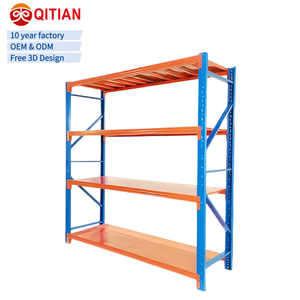
A closed metal shelving unit is engineered by fixing continuous cold-rolled steel back panels and solid end panels directly into slotted upright profiles. This structural enclosure eliminates the need for diagonal cross-bracing, providing two critical mechanical benefits: it creates unhindered cubic capacity across the entire shelf depth, and significantly boosts torsional and sway rigidity under heavy asymmetric loads.
Particulate and Thermal Shock Protection:
Airborne particulate sand (quartz and feldspar dust) in Muscat, Duqm, and Nizwa accelerates abrasive wear on sensitive MRO inventory, delicate medical devices, and aviation spares. Solid steel sheet closures turn open shelving bays into dust-deflecting containment cells that shield sensitive inventories from cross-bay draft contamination.
Furthermore, closed metal shelving prevents cartons and loose items from shifting into back aisles, eliminating warehouse fall hazards. When paired with full-height lockable swinging steel doors, closed shelving creates secure, partitioned tool-crib vaults and bonded storage compartments that deter inventory loss in multi-tenant 3PL logistics facilities.