Greater Boston Warehouse Engineering & High-Density Storage

Dynamic Storage Racks Manufacturer & Factory in Boston

Custom Pallet Flow, Radio Shuttle Automation, and Heavy-Duty Industrial Structural Racking Engineered for Massachusetts 780 CMR and RMI Standards.

Direct Factory Manufactured Systems

Engineered Dynamic & Industrial Storage Racks

Precision-manufactured with cold-rolled Q235B/Q355 structural steel, robotic welded load beams, and electrostatic powder finishes built for Massachusetts industrial distribution hubs.

Boston Real Estate Economics & Logistics Density

Overcoming Greater Boston's Industrial Real Estate Squeeze with Dynamic Racking

The Greater Boston industrial market—stretching from the urban core of South Boston, Charlestown, and Chelsea out through the Route 128 (I-95) tech belt and into the I-495 outer logistics perimeter—faces some of the highest warehousing occupancy costs and tightest land inventory in North America.

With industrial rent averages consistently soaring above $20 to $32 per square foot NNN within the Inner Suburbs, logistics operators, 3PL distributors, and cold storage processors can no longer rely on conventional, wide-aisle static selective racking. Static layouts squander more than 55% of floor area on forklift transit aisles.

Factory Insight: By converting a standard selective rack layout into an engineered dynamic system (such as Gravity Pallet Flow or Radio Shuttle Runner Systems), Boston warehouse operators increase storage density by 65% to 180% within the exact same building envelope.

As a direct manufacturer and structural engineering partner, our factory provides specialized dynamic storage solutions calculated to meet the strict seismic requirements of the Massachusetts State Building Code (780 CMR) and the rigorous rack structural standards set forth by ANSI/RMI MH16.1.

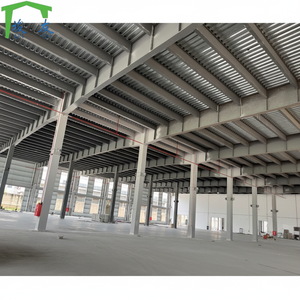
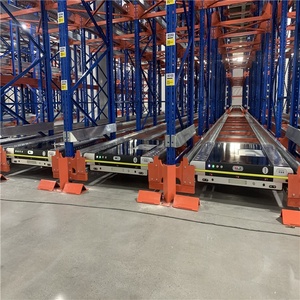
High-bay dynamic pallet racking system installation in Boston warehouse
+85%
Floor Cube Utilization
50%
Forklift Drive Path Reduction
100%
780 CMR & RMI Seismic Compliance
-30%
Cold-Chain Energy Consumption
Engineering Specifications & System Selection

Dynamic vs. Conventional Storage Systems Comparison

Analyze how our manufactured dynamic storage rack typologies perform across key operational metrics for Massachusetts distribution centers and manufacturing plants.

System Architecture Storage Density Stock Rotation Forklift Interaction Space Efficiency Typical Boston Applications
Automatic Radio Shuttle Ultra-High (85%+) FIFO or LIFO Smart Lane-end interface only Up to 40 pallets deep Cold Storage (Chelsea / New Bedford), High-Volume F&B
Gravity Pallet Flow Rack High (75%–80%) Strict FIFO (Gravity) Separate load & pick aisles 2 to 15 pallets deep Life Sciences Reagents, Perishable Dairy & Seafood Hubs
Push-Back Rack (Carts) Medium-High (65%) LIFO Single operating aisle 2 to 6 pallets deep Route 128 Cleanroom Components, Industrial Hardware
Multi-Tier Mezzanine Rack Vertical Maximized Manual / Order Picking Foot traffic & vertical lifts 2–3 usable working floors E-commerce fulfillment, Biotech consumables, Auto Spares
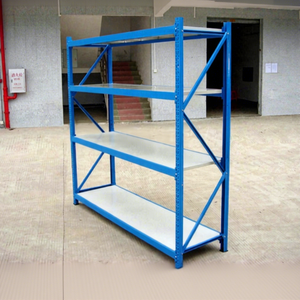
Standard Selective Rack Baseline (40%–50%) 100% Direct Selectivity Requires 10–13 ft wide aisles Single/Double runs General 3PL warehouses with massive SKU divergence
Regional Material Handling Architecture

Localized Storage Applications Across Greater Boston

From Cambridge biomanufacturing cleanrooms to cold-storage docks on Massachusetts Bay, our dynamic racks are custom-designed for regional industry operational realities.

Life Sciences & Biopharma Clean Storage (Cambridge & Waltham)

Boston represents the primary biotechnology corridor globally. Our Q235 clean-coat and stainless racking assemblies are deployed across Cambridge, Waltham, and Watertown facilities storing high-value single-use bioreactor assemblies, laboratory consumables, and API inventory. Systems feature anti-shedding galvanized welded mesh decks and precision shelf dividers designed for high-density carton flow and GMP compliance.

Cold Storage & Seafood Logistics (South Boston & New Bedford)

Handling commercial fishing catches and imported perishable food requires deep-freeze storage down to -20°F. In locations like the Boston Marine Industrial Park and New Bedford facilities, our Electric Radio Shuttle and Gravity Flow systems eliminate dense air-space heating losses. Hot-dip galvanized uprights resist moisture condensation and saline corrosion while maximizing frozen cubic pallet density.

High-Throughput 3PL & E-Commerce (I-495 Logistics Corridor)

Along the I-495 ring—including distribution parks in Franklin, Marlborough, Littleton, and Lawrence—third-party logistics operators handle extreme seasonal swings. We engineer hybrid systems integrating heavy-duty selective bulk pallet storage above multi-tier picking mezzanines and automatic carton flow rails, enabling high-rate order fulfillment for same-day New England delivery.

Precision Manufacturing & Automotive Spares (Worcester & North Shore)

Industrial machinery builders and tier-1 automotive suppliers in central Massachusetts demand load-rated steel coil cradles, specialized auto part turnover racks, and cantilever racking. Our heavy-duty structural steel designs accommodate asymmetrical concentrated loads, heavy die storage, and bar-stock steel profiles with high dynamic safety margins.

Urban Mill Building Conversions & Historical Retrofits

Boston's Inner Ring features numerous historic brick-and-beam industrial structures with non-standard column grids and timber floorings. Our engineering department specializes in custom baseplate load dissipation, cantilevered ties, and custom frame depths designed to pass structural reviews by the Boston Inspectional Services Department (ISD).

Hazardous Material & Battery Chemical Vaults

With Boston emerging as a global center for clean-tech and battery development, our heavy-gauge rack systems integrate specialized spill-containment trays, welded wire backstops, and NFPA 30 / NFPA 855-compliant fire-flue spacing for lithium-ion battery testing and storage labs.

Strategic Forward Planning

Emerging Trends Shaping Boston Warehouse Storage Design

How automation, building code revisions, and micro-fulfillment demands are transforming industrial facilities throughout Massachusetts.

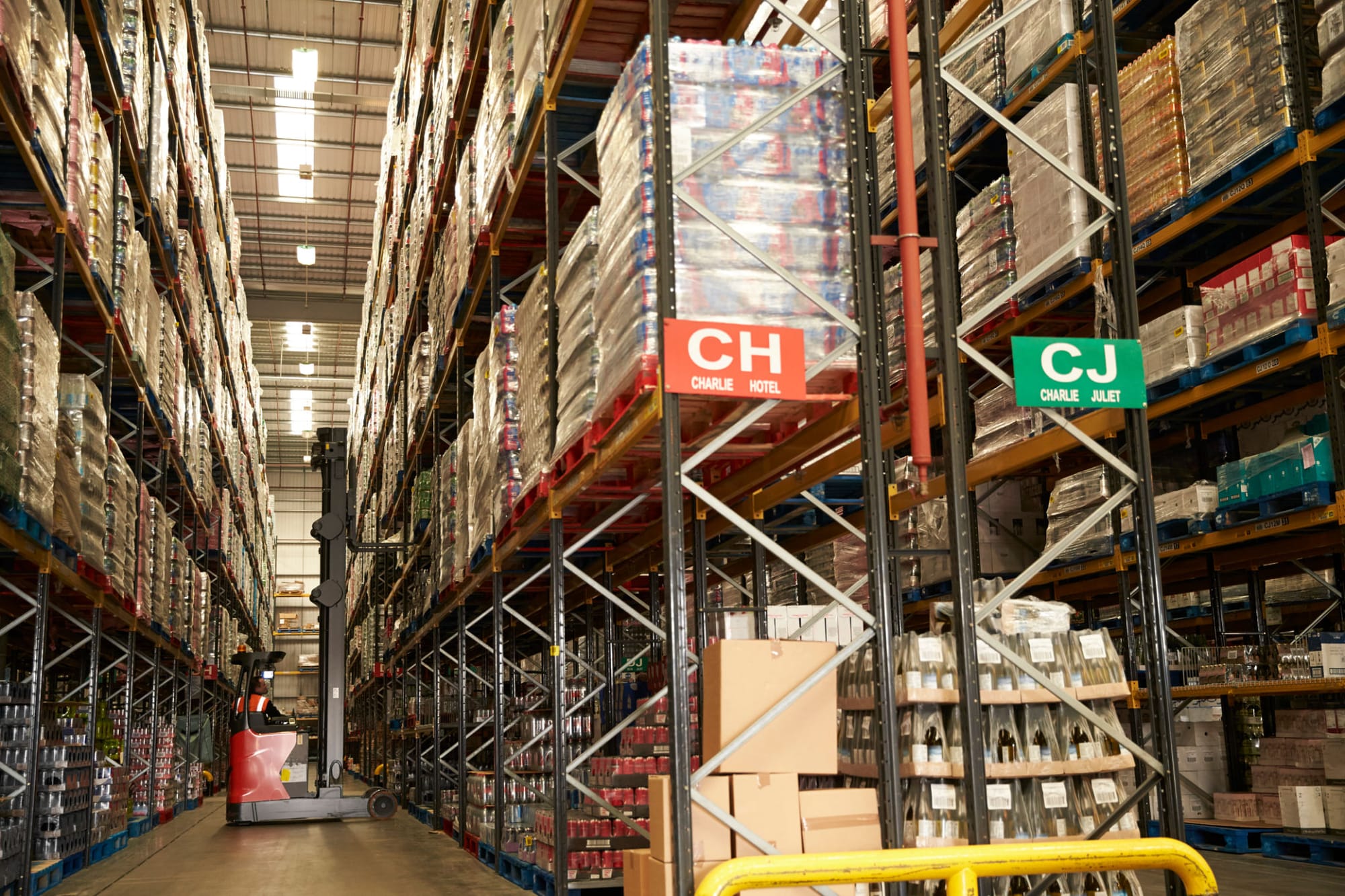
Engineered pallet racking with safety barriers and load beams

The Shift to Semi-Automated Pallet Runner Systems

As labor acquisition costs in Massachusetts remain among the nation's highest, facility managers are rapidly transitioning from forklift-driven drive-in racking to automated radio shuttle cart systems. A single operator can manage multi-lane pallet runners via tablet, tripling pallet movement speed while reducing forklift mast collisions by up to 90%.

Stringent High-Piled Combustible Fire Permitting

The Boston Fire Department (BFD) and local municipal fire prevention bureaus strictly enforce high-piled combustible storage guidelines under NFPA 13 and Chapter 32 of 780 CMR. Racking installations above 12 feet requiring storage of Group A plastics or combustible cartons must integrate certified 6-inch transverse and longitudinal flue spaces. Our factory manufactures custom snap-in wire decks and pallet backstops that mechanically enforce flue dimensions, securing municipal sign-off without costly redesigns.

Vertical Cubic Expansion & Structural Mezzanine Adoption

With industrial land acquisition in eastern Massachusetts often exceeding $1.5M per acre, horizontal warehouse expansion is economically unfeasible. Logistics facilities are deploying free-standing and rack-supported multi-tier steel mezzanines to exploit the 32-to-40-foot clear heights of newly built Class A distribution centers in towns like Taunton, Bellingham, and Devens.

Enterprise Manufacturing Excellence

Why Boston Enterprise Buyers Partner Directly with Our Factory

Combining heavy industrial roll-forming power, certified metallurgy, and end-to-end structural engineering support from initial CAD layout to final inspection.

Certified Q235B/Q355B Steel

All upright columns and load beams are roll-formed using high-tensile structural steel meeting verified yield strengths (Fy = 33,000 to 50,000 psi). Mill test certificates accompany every production batch for complete traceability.

Zero Middleman Markup

As a direct manufacturer and structural factory, we eliminate multiple tiers of third-party distributors and brand-relabeling agents, providing Boston facility operators premium load capacities at wholesale factory pricing.

PE-Stamped Structural Calcs

We provide full structural calculation packages prepared to ANSI/RMI MH16.1 specifications, including baseplate anchor pull-out simulations, seismic spectral acceleration ($S_s, S_1$) verification, and local building code stamps.

Turnkey Safety Hardware

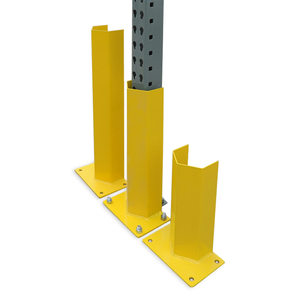
Every installation is accompanied by heavy-gauge steel post protectors, floor-anchored bullnose end-of-row barriers, safety drop pins, load capacity plaques, and certified fire-retardant galvanized wire mesh decks.

Local Procurement Guide

Boston Warehouse Racking: Frequently Asked Questions

Essential regulatory, structural, and operational answers for warehouse managers and logistics directors across Massachusetts.

Do warehouse rack installations in Boston require building permits and seismic certifications?

Yes. Under the Massachusetts State Building Code (780 CMR, which adopts and amends the International Building Code), industrial storage racks with a top shelf load height exceeding 8 feet are classified as building structures. In jurisdictions overseen by the Boston Inspectional Services Department (ISD) or regional New England inspectional bureaus, permits require engineered layout drawings, concrete slab core-drill certification, and seismic calculation reviews adhering to ANSI/RMI MH16.1. Our factory engineering team provides complete stamped engineering submittals to expedite permit approval.

How does dynamic radio shuttle racking handle Massachusetts cold-storage environments?

Our electric automatic radio shuttle carts and guide tracks are engineered specifically for harsh sub-zero temperatures down to -25°C (-13°F). They incorporate sealed IP65 brushless drive motors, automated low-temperature condensation heaters, and cold-rated LiFePO4 battery chemistries that prevent capacity collapse during continuous shifts. For high-humidity refrigerated areas, upright frames and beams are processed with hot-dip galvanization (ASTM A123) to eliminate rust and paint flaking.

What slab thickness and concrete capacity are necessary for high-density dynamic storage?

High-density dynamic racking concentrates significant point loads through the upright baseplates into the building foundation. Generally, a minimum 6-inch to 8-inch reinforced concrete slab with a compressive strength of 3,500 to 4,000 PSI is required for standard 3-to-5 tier pallet racking. For taller installations (25+ ft clear height) or multi-tier radio shuttle systems, our engineers design oversized seismic baseplates that distribute high shear and axial loads safely across the floor, even in buildings constructed over Boston Blue Clay or reclaimed coastal fill.

How do Boston Fire Department (BFD) regulations affect flue spaces and sprinkler design?

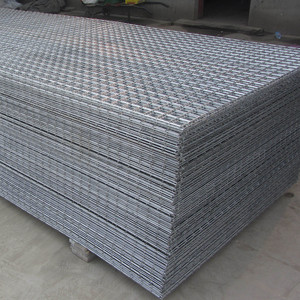
The City of Boston Fire Department adheres strictly to NFPA 13 and local High-Piled Combustible Storage fire codes. Solid decking (such as plywood) is prohibited unless in-rack ESFR sprinkler lines are installed at every tier. Our open welded wire mesh panels provide greater than 70% open area, allowing overhead ceiling sprinkler water to penetrate through multiple storage tiers. Furthermore, our rack beam assemblies feature mechanical row-spacers that enforce the mandated 6-inch flue spaces between back-to-back rack rows.

What is the manufacturing lead time and installation schedule for Greater Boston facilities?

Standard roll-formed components (upright frames, step beams, wire decking, post protectors) are maintained in high-turnover staging queues for rapid shipment. Custom-engineered dynamic systems—including radio shuttle rails, automated carts, push-back nested carriages, and multi-tier structural mezzanines—typically require 4 to 8 weeks for structural fabrication, powder coating, and automated factory bench-testing. Turnkey installation is executed by our trained regional crews who handle anchoring, laser plumb leveling, and load plaque posting.

Can our facility retrofit older selective rack rows into high-density dynamic systems?

Yes. If your existing upright frames are undamaged and possess verified structural gauge ratings, our engineers can install retrofit push-back nesting cart tracks or gravity flow roller beds directly onto existing step beams. However, if frame capacity or floor slab anchoring is insufficient for deep-lane dynamic loads, our team can engineer a hybrid configuration that preserves serviceable aisles while introducing high-density radio shuttle blocks in central bays.

Request Factory Layout Design & Comprehensive Engineering Catalog

Collaborate with our structural engineering team. Submit your building dimensions, pallet specifications, and throughput targets to receive an optimized AutoCAD warehouse layout, seismic calculations, and direct factory pricing.