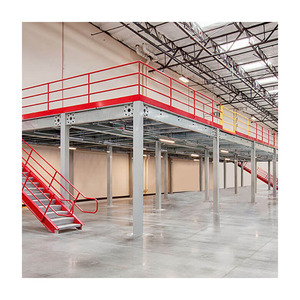
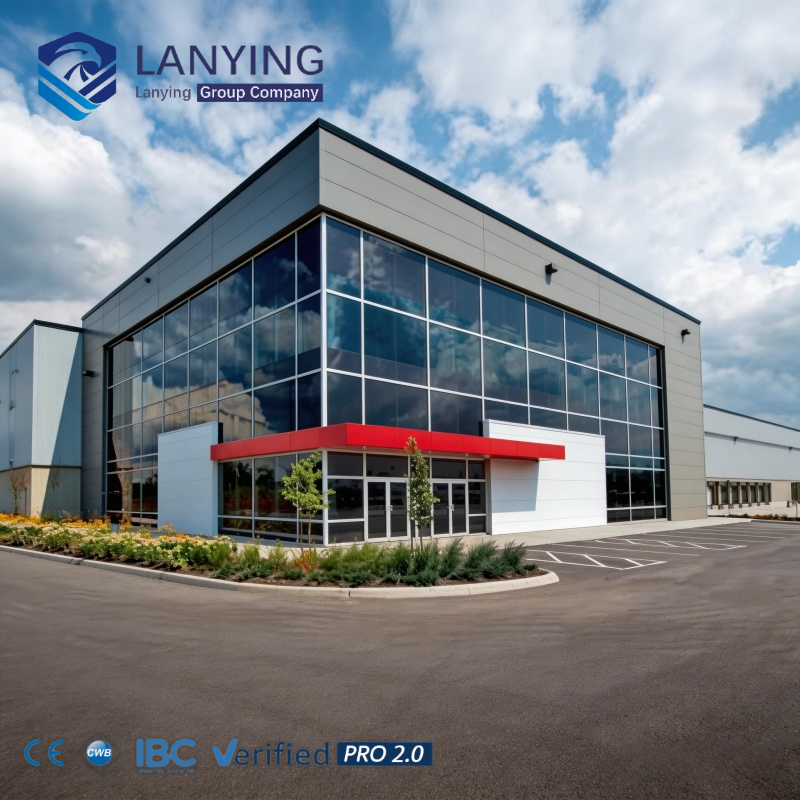

Multi-purpose Sports Hall Robust Steel Mezzanine Systems Pre-engineered Metal Building

Product Description

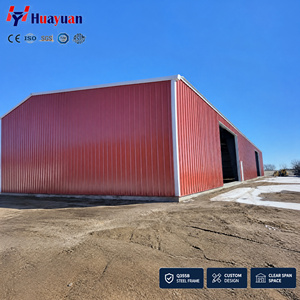
Pre-engineered Large Scale Steel Structure Building Overview
Industrial Steel Structure Engineering Framework

Service Life

Over 50 Years Durability

Wind Load Resistance

Certified Up to 150 km/h

Assembly Method

High-Strength Bolt Connection

Anti-Corrosion

Hot-Dip Galvanized / 2-Layer Paint

Technical Specifications

Product Name Pre-engineered Large Scale Steel Structure Building
Primary Frame Q235B / Q355B Welded H-Section Steel (ASTM A36 / A572)
Secondary Frame C/Z Purlin, Steel Bracing, Tie Bar, Knee Brace
Surface Treatment Hot-dip Galvanized or 2-layers of Anti-rust Painting
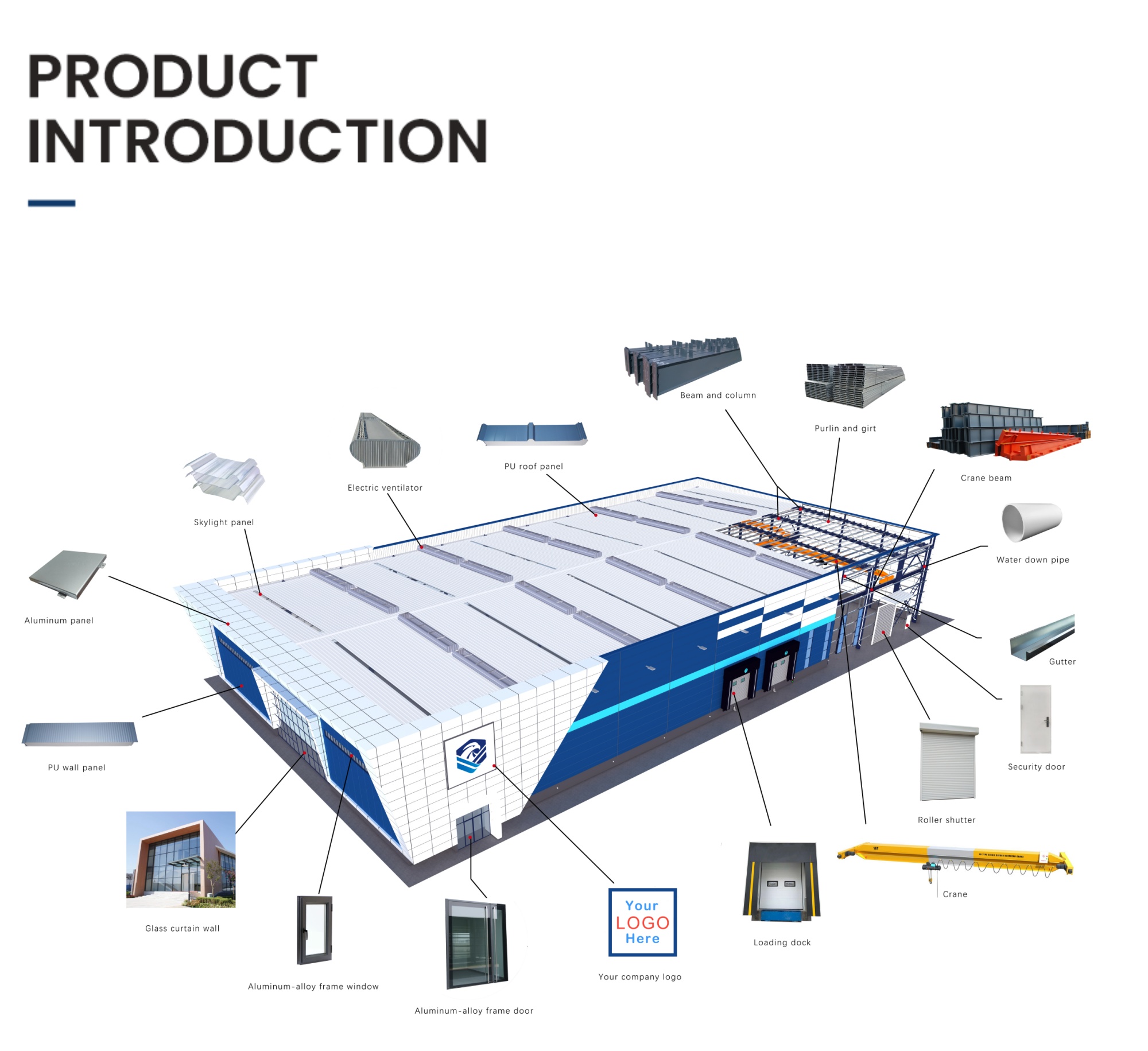
Roof & Wall Panel Color Steel Sheet (0.3-0.7mm) or Sandwich Panel (EPS/Rockwool/PU/PIR)
Design Parameter Wind Load (up to 150km/h), Snow Load, Seismic Resistance
Door System Electric Rolling Door, Sliding Door, or Sectional Garage Door
Window System Aluminum Alloy or PVC Plastic Steel Windows
Connection Method High-strength Bolt Connection (Easy to Assemble)
Accessories Skylight Belts, Ventilators, Gutter, and Downspouts
Service Life Over 50 Years

Structural Components & Project Showcase

Steel Structure Detail 1
Steel Structure Detail 2
Steel Structure Detail 3
Steel Structure Detail 4
Steel Structure Detail 5
Steel Structure Detail 6
Steel Structure Detail 7
Steel Structure Detail 8
Steel Structure Detail 9

Frequently Asked Questions

What is the expected service life of this steel structure building?
The pre-engineered steel structure building is designed for high durability and has an engineered service life of over 50 years under standard environmental conditions and maintenance.
What steel grades are used for the primary frame?
The primary frame is fabricated using high-strength Q235B or Q355B welded H-section steel, compliant with international ASTM A36 and ASTM A572 standards.
How does the building perform against severe weather conditions?
The engineering design accounts for wind loads of up to 150 km/h, robust snow load resistance, and regional seismic resistance requirements to ensure structural stability and safety.
What anti-corrosion protection methods are applied?
All steel surfaces undergo protective surface treatments, available as either hot-dip galvanization or two coats of high-grade anti-rust painting to prevent corrosion.
What panel options are available for the roof and walls?
Cladding options include single color steel sheets (0.3–0.7 mm) for standard utility or sandwich panels with EPS, Rockwool, PU, or PIR core materials for thermal and acoustic insulation.
How are the structural elements connected on-site?
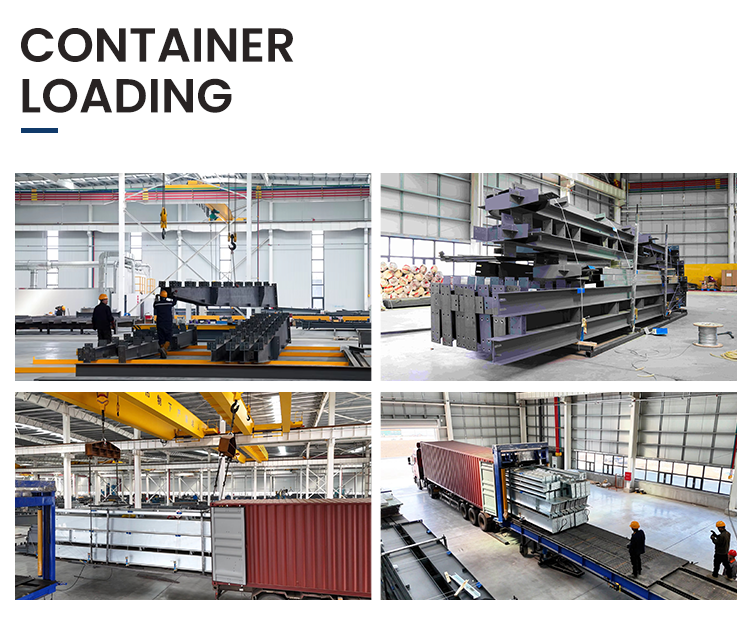
Components are pre-fabricated in the factory and connected on-site utilizing high-strength bolt connections, allowing for faster assembly with minimal on-site welding.

Related Products